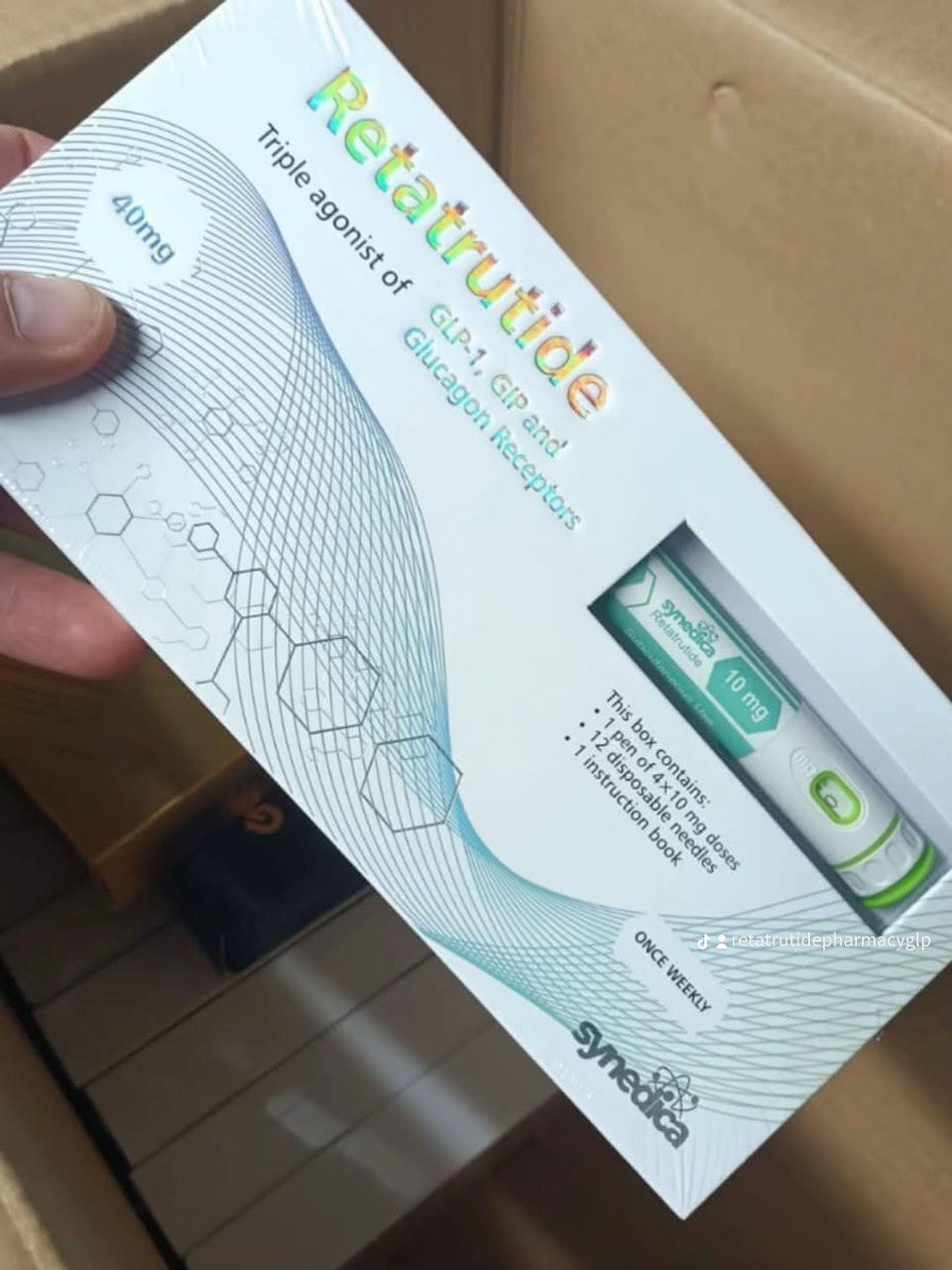
Description
Retatrutide 10 mg: A New Frontier in Weight Loss and Metabolic Health
In the rapidly evolving world of metabolic health and weight management, retatrutide has emerged as one of the most talked-about investigational therapies. Among the various dosages being studied, retatrutide 10 mg has drawn particular attention for its potential effectiveness in supporting significant weight loss and improving metabolic markers.
What Is Retatrutide?
Retatrutide is a triple hormone receptor agonist, meaning it activates three key receptors involved in metabolism:
-
GLP-1 (glucagon-like peptide-1)
-
GIP (glucose-dependent insulinotropic polypeptide)
-
Glucagon receptors
By targeting all three pathways, retatrutide is designed to work more comprehensively than single- or dual-agonist therapies, influencing appetite regulation, insulin sensitivity, energy expenditure, and fat metabolism.
Why Retatrutide 10 mg Is Getting Attention
In clinical research settings, higher doses of retatrutide—such as 10 mg—have been associated with more pronounced metabolic effects compared to lower doses. While dosage decisions are always individualized in medical trials, this strength is often discussed because of its potential to:
-
Promote substantial weight reduction
-
Improve blood sugar control
-
Reduce insulin resistance
-
Support overall metabolic flexibility
It’s important to note that retatrutide is still under investigation and not yet approved for general public use in many regions.
How Retatrutide Works in the Body
Retatrutide’s multi-receptor approach allows it to work on several levels:
-
Appetite Suppression
GLP-1 and GIP signaling help reduce hunger and increase feelings of fullness, leading to lower caloric intake. -
Enhanced Fat Burning
Glucagon receptor activation may increase energy expenditure and promote fat utilization. -
Improved Glucose Regulation
The combined hormonal effects help stabilize blood glucose levels and support insulin efficiency.
This synergistic mechanism is what sets retatrutide apart from earlier weight-loss medications.
Potential Benefits of Retatrutide 10 mg
While individual results vary, research data suggests potential benefits may include:
-
Significant and sustained weight loss
-
Better HbA1c and fasting glucose levels
-
Reduced cardiometabolic risk factors
-
Improved satiety and eating control
These effects make retatrutide a promising candidate for people struggling with obesity, metabolic syndrome, or type 2 diabetes—under medical supervision.
Possible Side Effects and Considerations
As with most incretin-based therapies, reported side effects in studies may include:
-
Nausea
-
Vomiting
-
Diarrhea or constipation
-
Decreased appetite
-
Fatigue during dose escalation
Higher doses, such as 10 mg, may increase the likelihood of side effects, especially during early treatment phases. This is why clinical protocols emphasize gradual titration and medical monitoring.
The Future of Retatrutide
Retatrutide represents a potential shift in how obesity and metabolic disease are treated—moving from single-pathway approaches to multi-hormonal optimization. As ongoing trials continue to evaluate long-term safety and efficacy, the medical community is watching closely.
Final Thoughts
Retatrutide 10 mg is not just another weight-loss drug—it’s part of a new generation of metabolic therapies aiming to address the root causes of obesity and insulin resistance. While still under clinical investigation, its early results are promising and may redefine future treatment standards.

Reviews
There are no reviews yet.